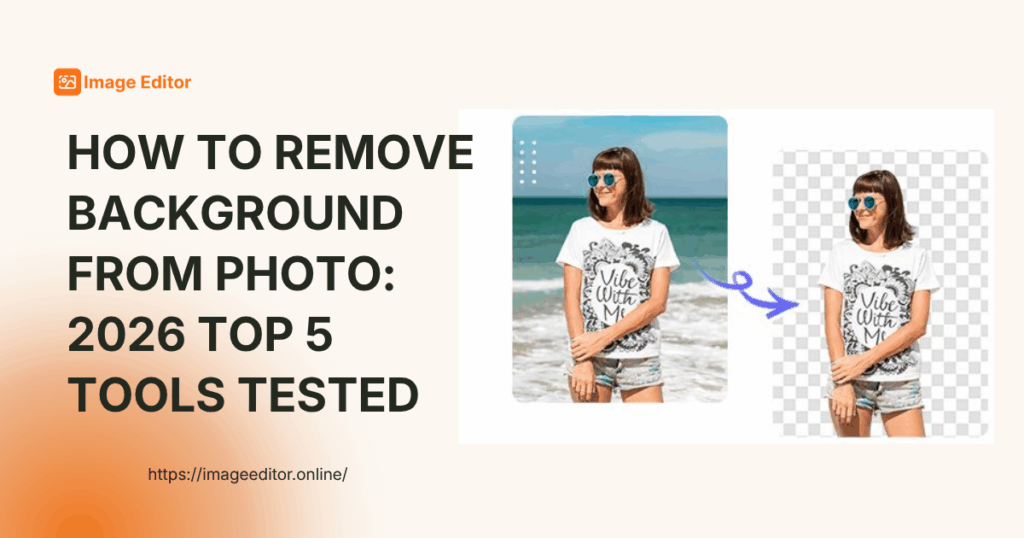
We are a boutique e-commerce and digital design team consisting of ten people. Every single week, our small but fiercely dedicated studio is tasked with processing over 500 product images, lifestyle mockups, and social media assets for various high-end online storefronts. For a remarkably long time, the absolute biggest bottleneck in our entire production workflow was a deceptively simple question: exactly how to remove background from photo efficiently without sacrificing professional studio quality?
At first, we relied heavily on traditional graphic design methods and manual labor. We were spending an average of 30+ hours a week just meticulously tracing edges around clothing, complex jewelry, and fashion models with frizzy hair. It was a massive drain on our creative energy, costing our agency thousands of dollars a month in billable hours just for basic image isolation tasks. We realized that our highly-paid designers were acting more like robots than creative professionals.
When you run a high-volume online store, figuring out how to remove background from photo is not just a minor technical micro-task; it is a critical business operation. Badly masked images with jagged edges or artificial "halos" directly damage user trust and plummet conversion rates. We quickly realized that if we didn't find a faster, smarter, and automated way to isolate our subjects, we would never be able to scale our client base or take on more lucrative projects.
This pressing business reality led us to initiate a comprehensive, three-week internal testing sprint. We decided to systematically evaluate the most popular automated and manual tools on the market to definitively solve the problem of how to remove background from photo once and for all. We didn't just want a tool; we wanted a complete workflow transformation.
Our Strict Selection Criteria
When you type "how to remove background from photo" into any search engine today, you are immediately bombarded with thousands of generic tools, mobile apps, and browser extensions, all aggressively claiming to be the ultimate "magic bullet." However, as a professional agency handling client work, we couldn't just settle for a basic, low-grade tool that destroys the resolution of our source files or fundamentally alters the color profile of our product shots.
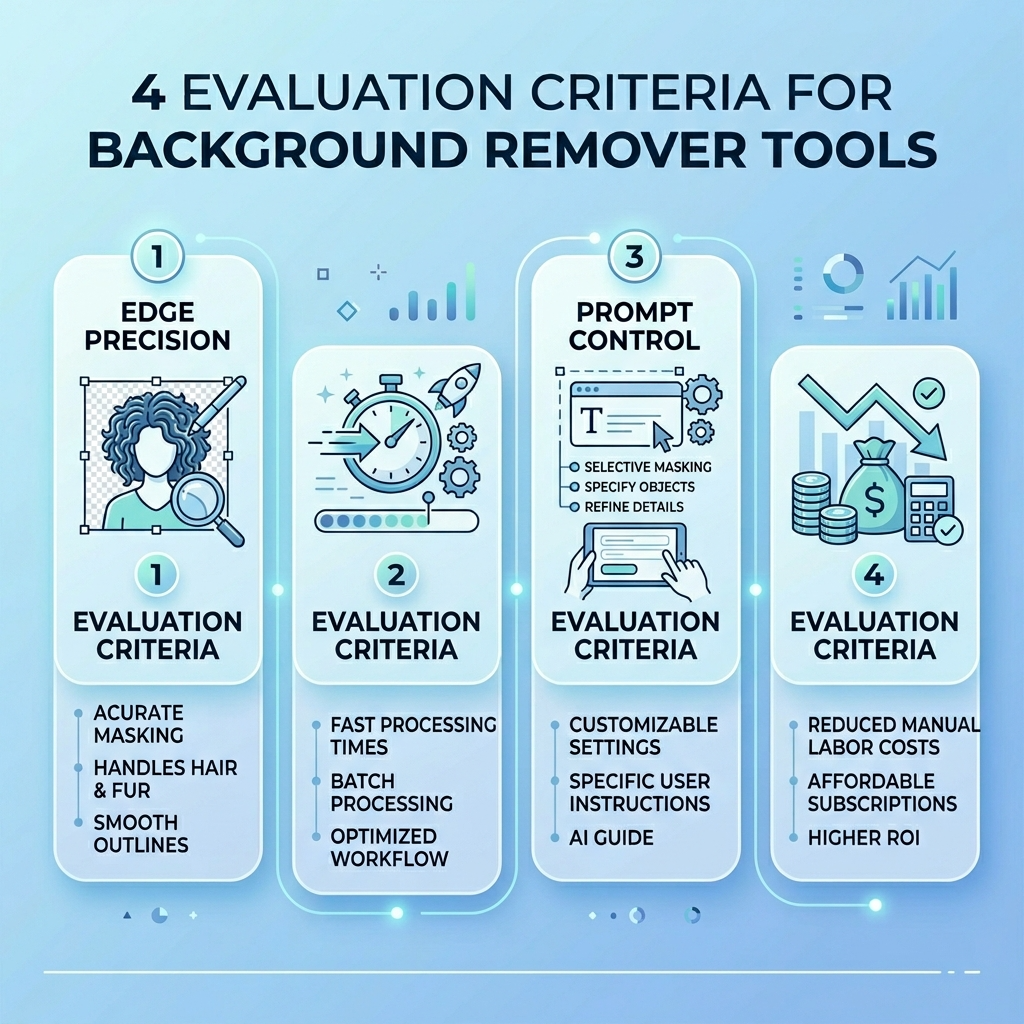
To ensure we made an objective decision, we needed to establish strict, real-world selection criteria before integrating anything into our daily operations. Here are the specific benchmarks we used to evaluate every single tool during our testing phase:
- Precision on Complex Edges: Can the software accurately handle highly transparent objects (like glass bottles, water splashes, or sunglasses) and fine microscopic details (like animal fur, lace, or wispy human hair) without creating an amateurish border?
- Workflow Efficiency: Does the software require a steep, multi-week learning curve, or can a newly hired junior staff member effectively learn how to remove background from photo flawlessly in under a minute? Time is money in our studio.
- Prompt-Based Control: Because artificial intelligence is advancing at breakneck speed, we specifically wanted to move away from manual clicking and dragging. We actively looked for modern tools that allowed us to use text prompts to guide the AI on exactly what elements to remove and what to keep.
- Cost-Effectiveness for Small Teams: Is the pricing model sustainable for processing hundreds of high-resolution images weekly, or does it charge an exorbitant fee per pixel or require massive enterprise contracts?
We Tested 5 Tools: The Good, The Bad, and The Ugly
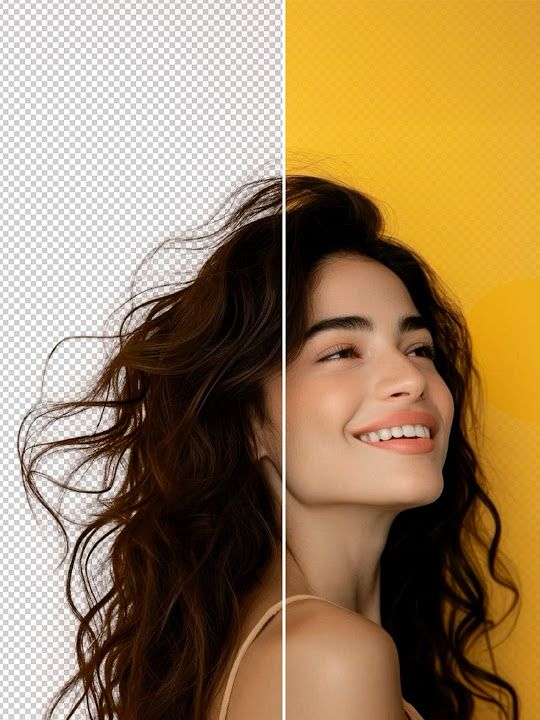
During our extensive three-week testing phase, we threw the most difficult, complex images we possessed at five fundamentally different software solutions. We didn't just test them on easy, solid-color backgrounds; we used chaotic city street scenes and low-contrast studio shots. Here is the unfiltered truth about our experience, including the deeply frustrating failures that cost us valuable production time.
Adobe Photoshop: The Traditional Desktop Giant (Our Failed Attempt)
When we first started exploring professional methods for how to remove background from photo, we naturally turned to the undisputed industry-standard desktop photo editing software: Adobe Photoshop.
- Our Real Scenario: We assigned our junior designer to process a massive batch of 50 images featuring bicycles with incredibly complex wire spokes and transparent gears.
- The Pros: You possess absolute, pixel-perfect control over every single anchor point. If you need microscopic accuracy using the Pen Tool or the precise adjustments of the Select and Mask workspace, its capabilities are unmatched.
- The Cons: It is agonizingly, painfully slow. It took our designer nearly 10 to 15 minutes per image just to manually trace the intricate bicycle frames. We actually started with Photoshop, but after using it for just 3 days, we completely abandoned it. It was a massive failure for scaling our high-volume business.
- Who it’s for: High-end professional retouchers doing single, expensive composite art for international magazine covers, definitely not e-commerce teams. Thus, we rejected it as a viable daily solution for how to remove background from photo at scale.
Remove.bg: The Generic "One-Click" Web App
Next, we tested Remove.bg, one of the highly-ranked generic web applications that inevitably pop up first when you query how to remove background from photo online.
- Our Real Scenario: We uploaded a batch of summer clothing items—specifically thin linen shirts—photographed against a busy, multi-colored beach background.
- The Pros: It was undeniably and remarkably fast. The automated server-side process took about 5 seconds per image to return a result.
- The Cons: It severely and unacceptably degraded the output resolution. Our high-definition 4K product photos were aggressively compressed into blurry, unusable images on their free tier. To get high-definition outputs, the credit-based pricing quickly became astronomically expensive for our volume. Furthermore, the AI completely erased a white linen shirt because it couldn't distinguish the fabric from the light-colored sand in the background. We had zero control to correct the AI's mistakes.
- Who it’s for: Casual users making quick memes, basic internal presentations, or social media posts where high resolution and commercial quality aren't strictly necessary. It is not the answer for how to remove background from photo for commercial agencies.
Canva Pro: The Expensive Cloud Ecosystem
Hoping that throwing money at the problem would fix it, we upgraded our subscription to Canva Pro, a premium cloud-based design ecosystem that prominently advertises an advanced background removal feature.
- Our Real Scenario: We used it to process a batch of 100 professional corporate headshots for a major client’s new enterprise website. We needed absolute consistency across all photos.
- The Pros: The edge detection for hair and shoulders was significantly better than standard web apps, and it integrated nicely with our presentation templates.
- The Cons: The overall cost was utterly prohibitive and structurally inefficient for our specific need. We were forced to buy a full, expensive monthly subscription for an entire suite of video editing, social scheduling, and layout tools we literally never used, just to access their proprietary "pro" background removal feature. It felt like massive financial overkill when we just needed to tackle how to remove background from photo.
- Who it’s for: Large marketing departments or solo entrepreneurs who need a complete, all-in-one design suite and have a massive, flexible software budget. It is too bloated for the singular task of how to remove background from photo.
Rembg (Python): The Open-Source AI Script
Thinking we could save money and build our own automated pipeline, our lead developer installed Rembg, a local, open-source Python script designed specifically to solve the programmatic approach to how to remove background from photo.
- Our Real Scenario: We attempted to run an automated batch process locally on our studio's high-end editing machines overnight to process 300 catalog images.
- The Pros: It was completely free, open-source, and did not require any internet connection, thereby ensuring total data privacy for unreleased client products.
- The Cons: The technical barrier to entry was an absolute nightmare. It required installing Python, managing complex software dependencies, fixing environment variable errors, and operating purely through intimidating command-line interfaces. When the script encountered an unexpected memory error on a specific large RAW image format, the entire overnight batch failed silently. We woke up the next morning to zero processed images and a broken pipeline.
- Who it’s for: Highly tech-savvy software developers who have the dedicated time to tinker with code, manage local server environments, and troubleshoot deep technical bugs on a daily basis. It is not designed to help a designer automate how to remove background from photo.
Image Editor Online (Nano Banana Pro): Our Prompt-Based Game-Changer
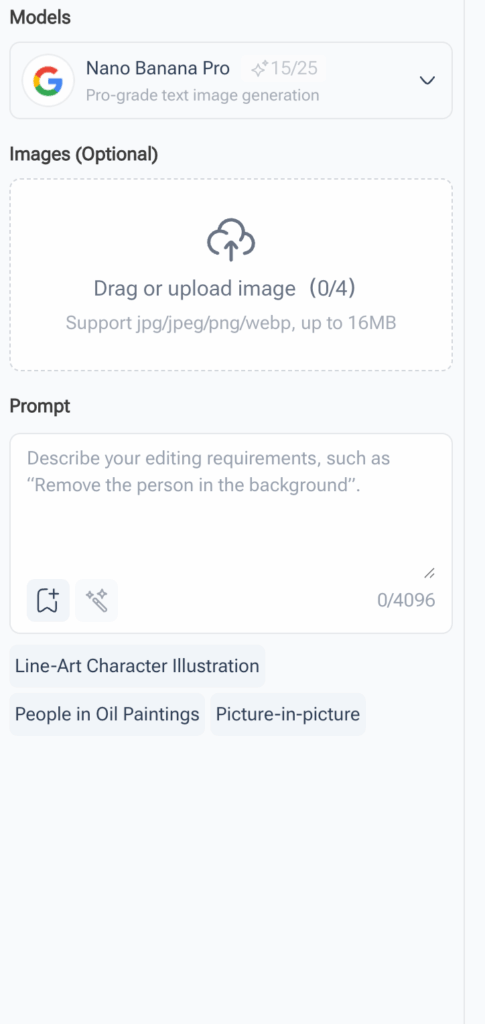
Finally, after two full weeks of intense frustration, wasted money, and failed terminal scripts, we tested a completely new, paradigm-shifting technological approach. Instead of manual lasso tools or rigid auto-removers, we upgraded our workflow of how to remove background from photo by utilizing an advanced prompt-driven AI model.
- Our Real Scenario: We had a highly complex lifestyle photo of a fashion model holding a transparent glass of water on a busy, neon-lit city street. We needed to strictly isolate the model and the glass, but crucially, keep the transparency of the water intact.
- How we used it: We realized the entire industry is changing. We decided to leverage the prompt-based AI model Nano Banana Pro from Image Editor Online. We simply uploaded the photo into the clean web interface and typed a plain-English prompt: "Remove the neon city street background entirely, but perfectly keep the fashion model, her jacket, and the transparent glass of water."
- The Pros: The results were fundamentally astonishing. Within mere seconds, the AI model isolated the subjects perfectly, accurately calculating the complex light refraction through the glass—something every single other automated tool completely failed at. It requires absolutely zero technical or graphic design skill. If you can type a descriptive sentence, the AI magically knows how to remove background from photo like a seasoned professional.
- The Cons: Because it is an incredibly advanced generative AI model, it does require a stable internet connection to process the text prompts in the cloud. Occasionally, a highly ambiguous prompt (like simply saying "remove the stuff") might require a quick, more specific rewrite for the AI to perfectly understand your artistic intent.
- Who it’s for: E-commerce teams, digital marketing agencies, and modern creators who desperately need professional-grade, highly specific subject isolation without the crippling manual labor or technical headaches.
The Ultimate Head-to-Head Comparison
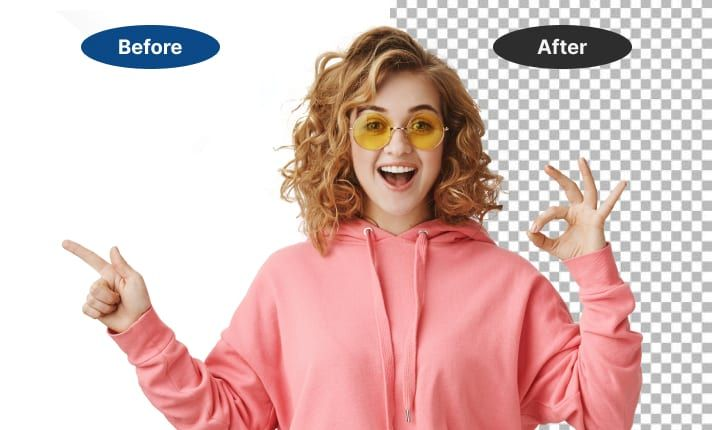
To help you visually digest our 3-week findings and make your own informed decision regarding the best approaches to how to remove background from photo, we have compiled this structured comparison table:
| Tool | Best Suited For | The Biggest Advantage | The Biggest Drawback |
| Adobe Photoshop | Professional Retouchers | Pixel-perfect manual control | Extremely time-consuming (10+ mins/photo) |
| Remove.bg | Casual Social Media Users | Very fast processing (5 seconds) | Destroys image resolution & poor accuracy |
| Canva Pro | Solo Entrepreneurs | Good edge detection & integration | Forces you to buy unused, expensive features |
| Rembg (Python) | Software Developers | 100% Free & offline processing | Extremely steep technical learning curve |
| Image Editor Online | E-commerce & Marketers | Prompt-based intelligent precision | Requires clear text instructions |
Our Final Choice: Why We Migrated to Image Editor Online
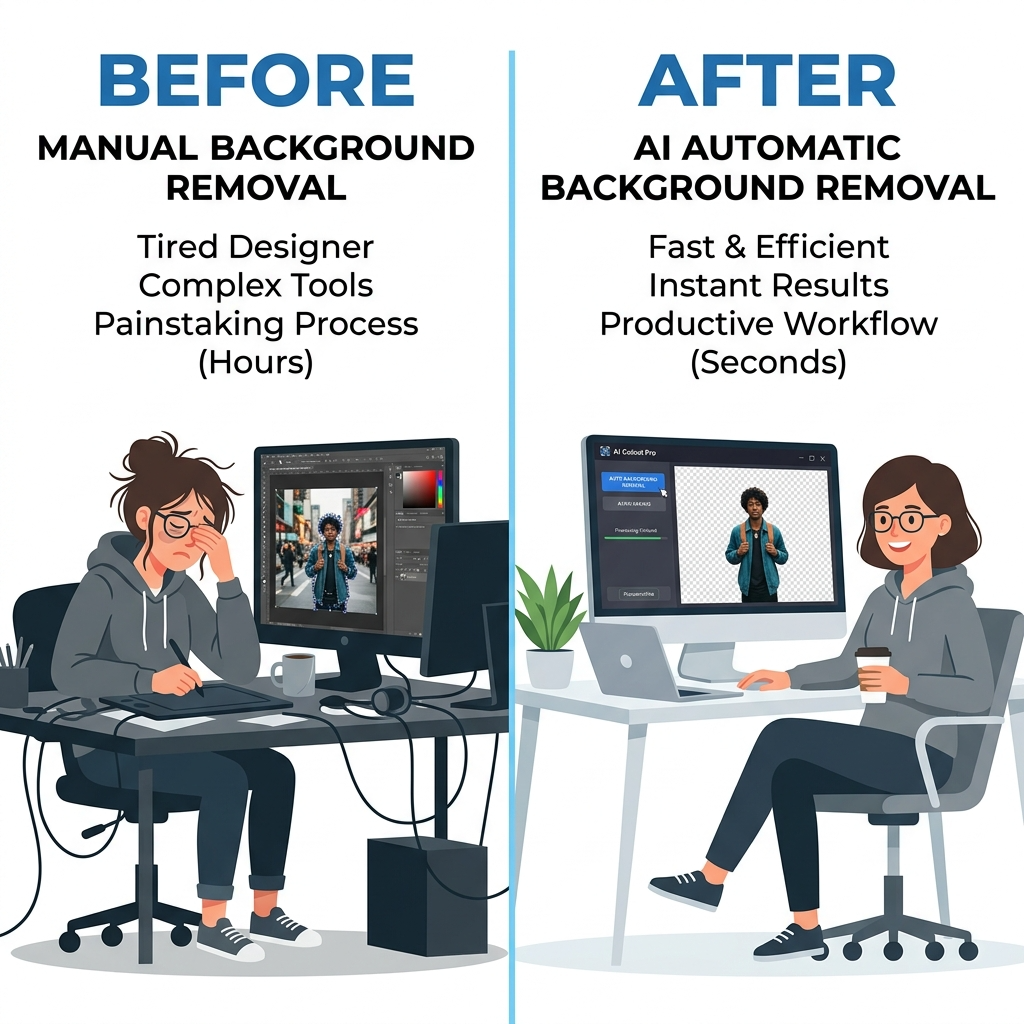
After rigorously processing over a thousand images and experiencing several agonizing workflow failures across different platforms, we definitively concluded our extensive search for how to remove background from photo. We made the strategic agency decision to entirely migrate our studio's image processing workflow to the Image Editor Online platform, utilizing their Nano Banana Pro AI model.
The final decision wasn't just about raw processing speed; it was fundamentally about the evolution of image editing technology. Traditional tools like Photoshop force you to act like a machine, meticulously tracing pixels for hours on end. Standard automated tools like Remove.bg act like a blunt axe, chopping off important parts of your image without truly understanding the visual context of the photograph.
We ultimately chose the Image Editor Online AI tool because it actually understands human creative intent. When we are faced with the question of how to remove background from photo for a tricky, low-light lifestyle shot with complex shadows, we don't need to mathematically fiddle with contrast sliders, alpha channels, or magnetic lassos. We simply use natural human language to instruct the machine.
If we want to isolate subjects instantly with Image Editor Online, we literally just upload the high-res image and command it via a highly specific text prompt. Because we are a small team, this radical shift from tedious manual labor to "prompt-directed editing" is invaluable; it reduced our weekly image processing time from a staggering 30 hours down to just under 2 hours. For our agency's bottom line, that massive time saving is the exact financial equivalent of hiring an additional part-time employee completely for free. We no longer just edit images; we have thoroughly mastered how to remove background from photo through our workflow via Image Editor Online.
Conclusion & How You Can Try It
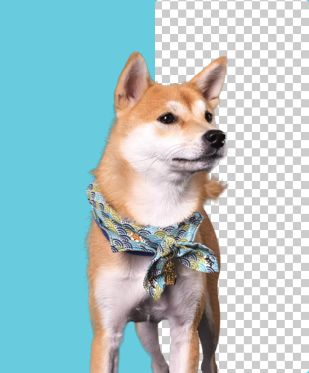
The frustrating, notoriously time-consuming issue of how to remove background from photo has finally evolved past the dark ages of digital design. We no longer have to choose between spending an eternity doing manual labor or accepting terrible, low-resolution automated results that damage our brand's reputation. Learning how to remove background from photo the modern way has never been more accessible. Our grueling 3-week testing journey proved beyond a shadow of a doubt that advanced AI models driven by human text prompts, like those found on Image Editor Online, are the definitive, undisputed future of how to remove background from photo.
If you are exhausted from struggling with complex software interfaces, tired of paying for bloated design ecosystems, and genuinely want to experience the fastest, most intuitive way to how to remove background from photo for your business, you don't need to download heavy desktop applications. Stop wasting your valuable, non-refundable time manually tracing pixels and discover the simplest professional method for how to remove background from photo today.
You can directly try the Image Editor Online AI model here. Just upload your absolute toughest, most complicated product image, type a simple, clear prompt detailing exactly what you want to isolate, and watch as the artificial intelligence does all the heavy lifting for you in a matter of seconds. Welcome to the new era of intelligent image editing.